
AREAS OF EXPERTISE
Solutions for Modern Warehouse Automation
We design and implement technologies that streamline internal transport, storage and material flow. Our solutions are tailored to each business’s warehouse operations, existing infrastructure and business objectives.
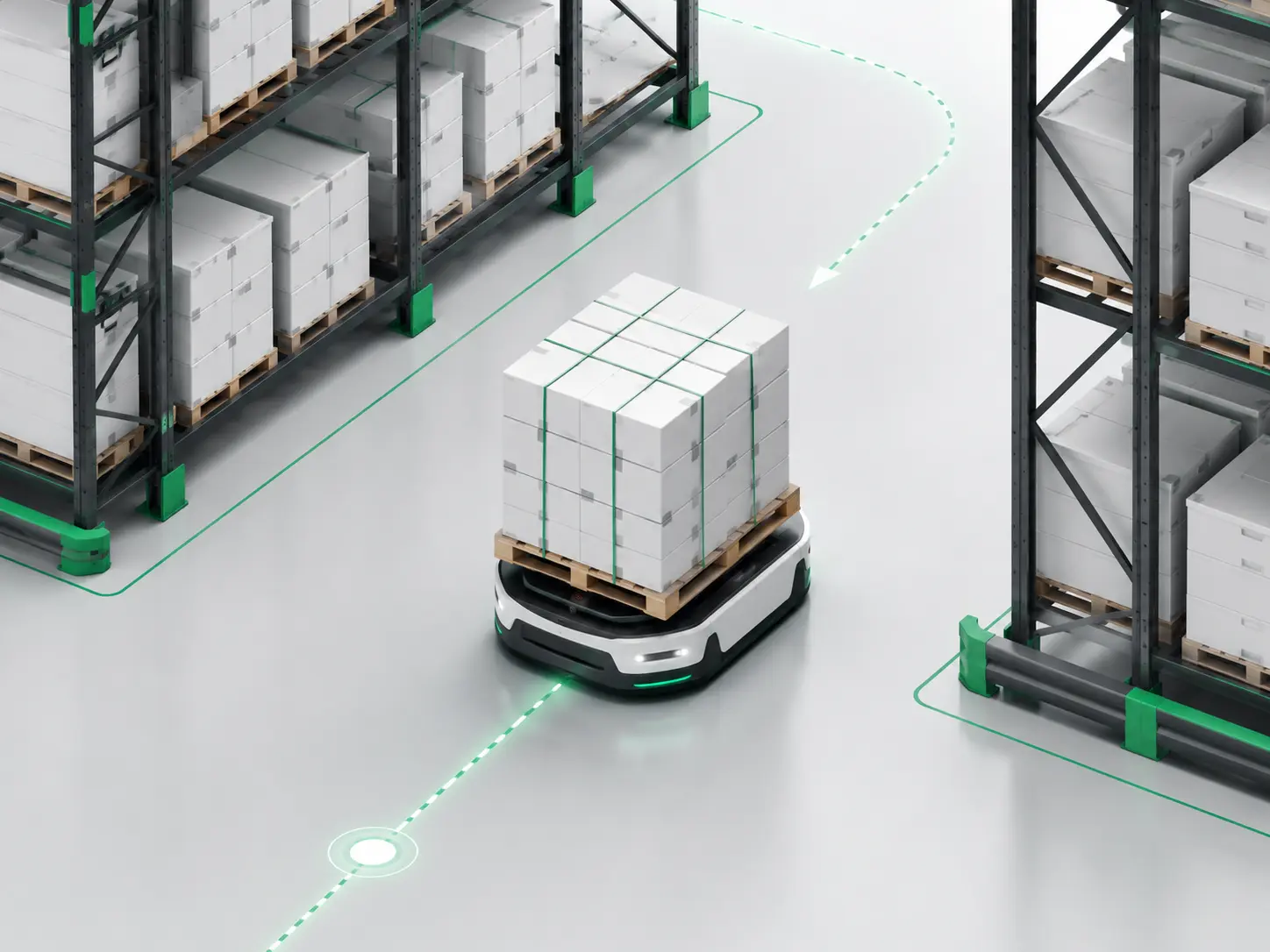
Mobile Robotics Solutions
Wheeled and rail-guided transport systems for automated horizontal load movement and high-level storage operations.
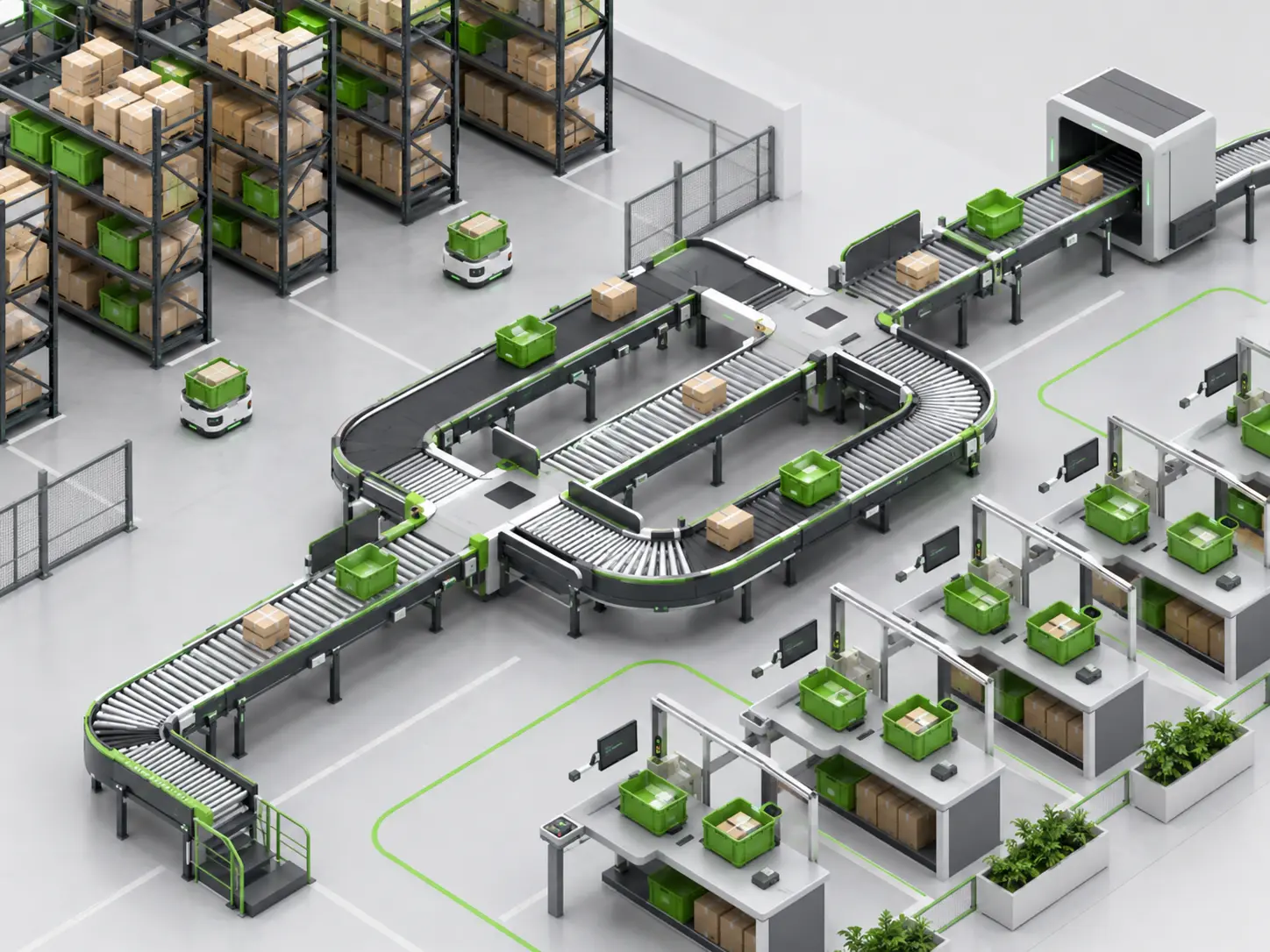
Conveyor Systems
High-performance automated conveyor solutions for handling everything from small items and containers to large, heavy industrial loads.
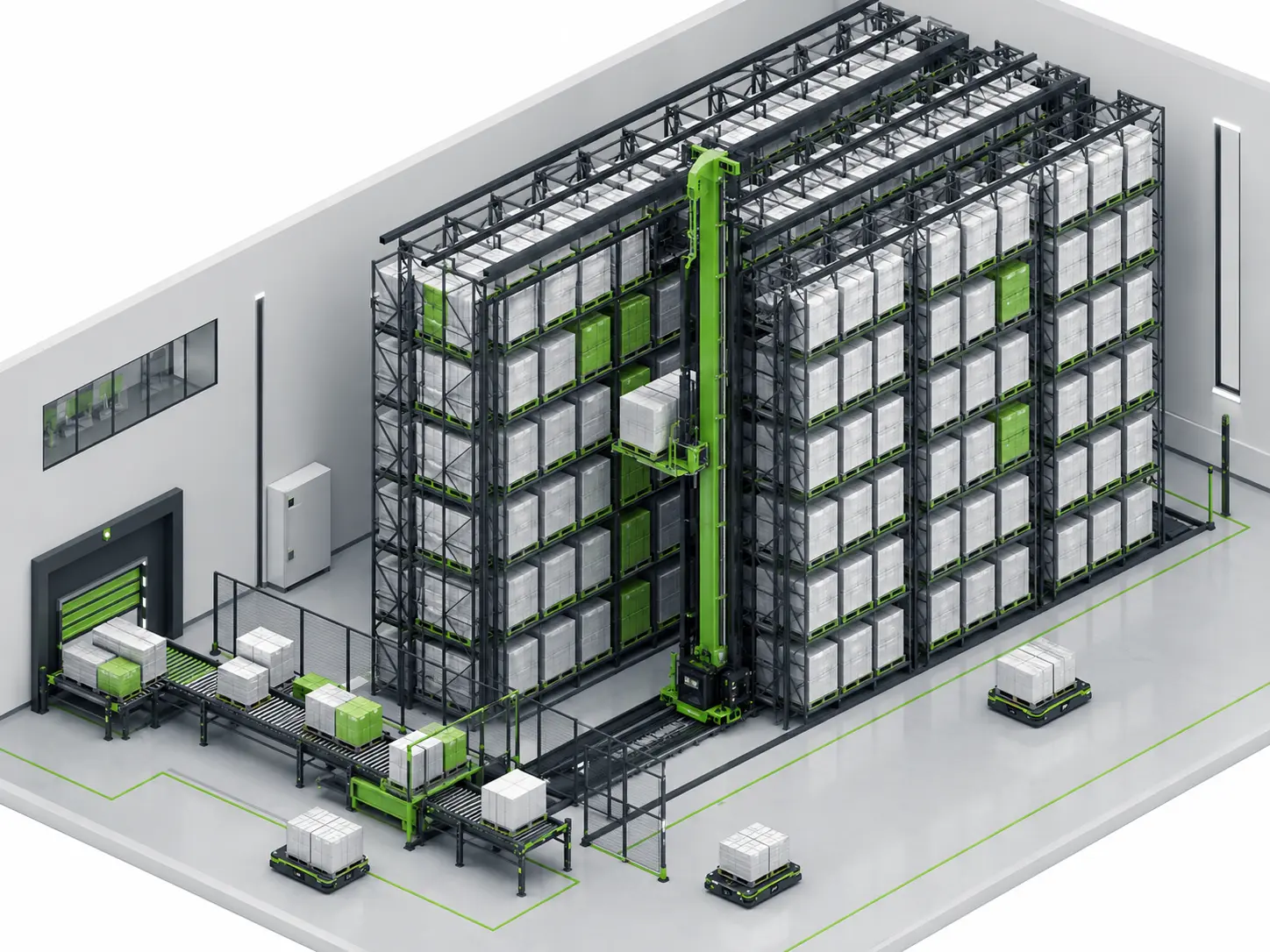
Storage Systems
Automated storage systems featuring overhead cranes and digital management of inventory and material flow.
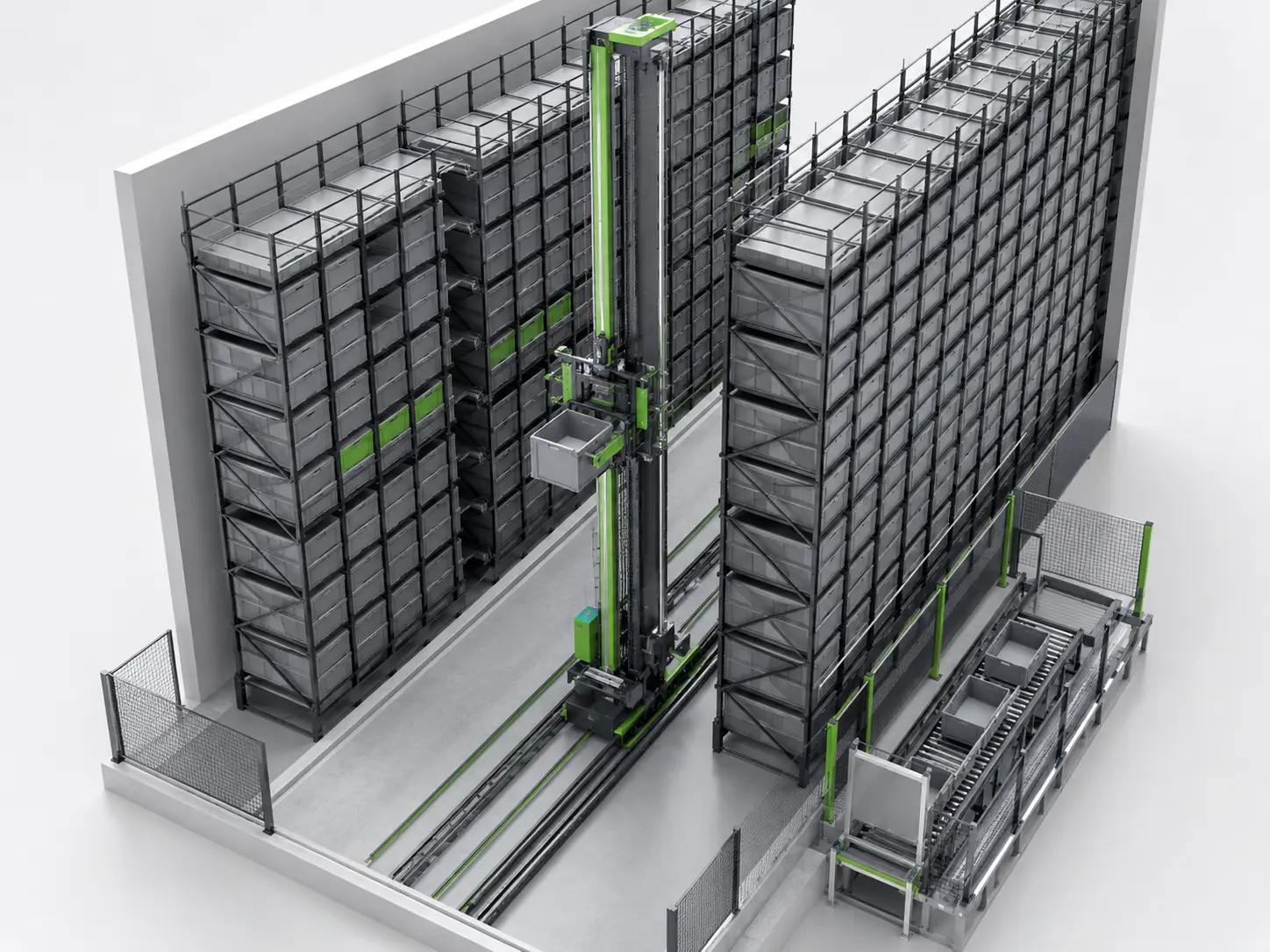
Stacker Cranes
Advanced automated systems for handling small items in multi-level warehouses, particularly those with a wide variety of SKUs.
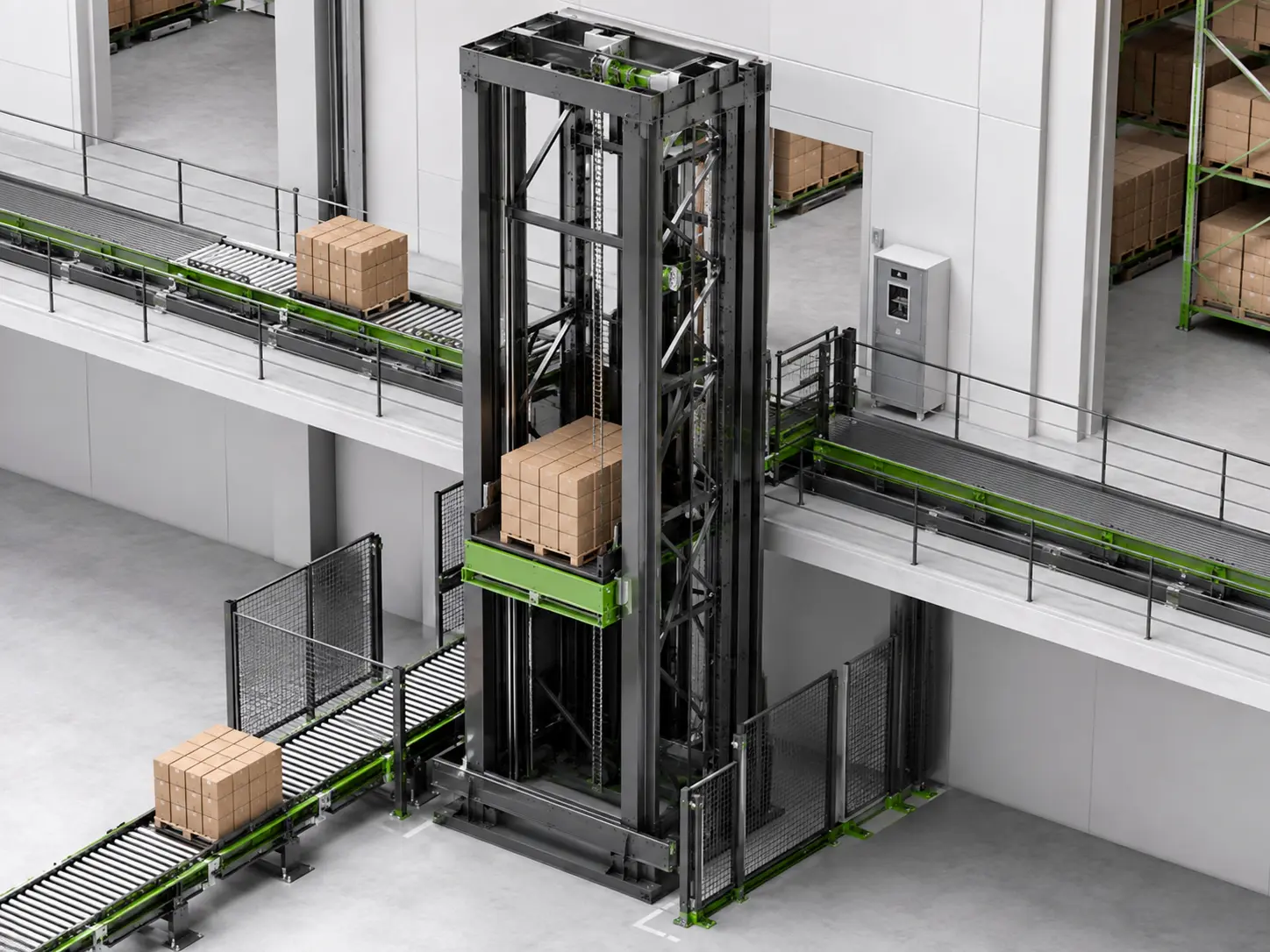
Vertical Lifts
Automate the vertical transport of load units between warehouse levels and elevated conveyor systems.
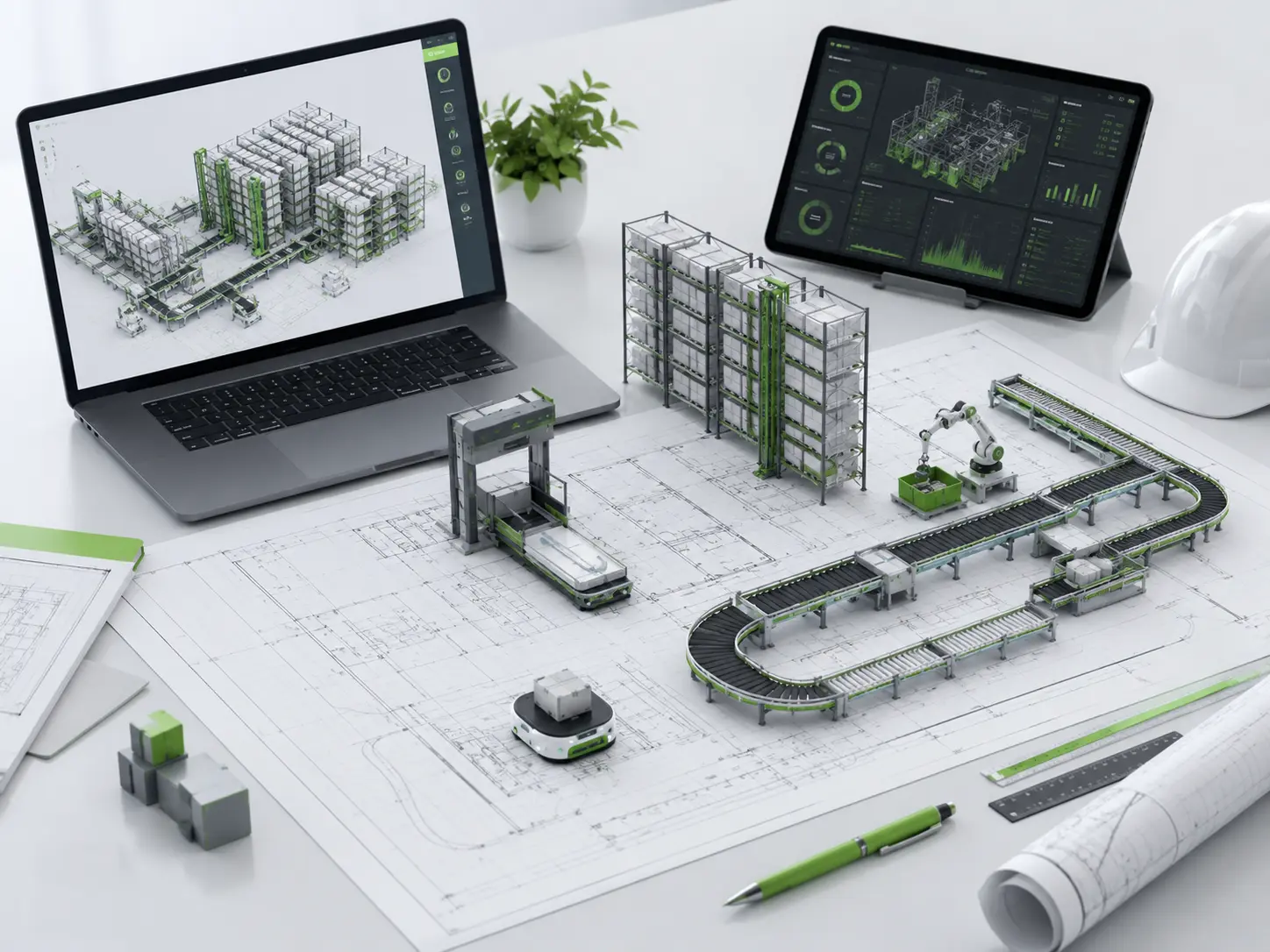
Warehouse Management Software
A digital hub for warehouse management — from order picking, storage and material flow to inventory control, reporting, delivery scheduling, robot management and EDI integration.
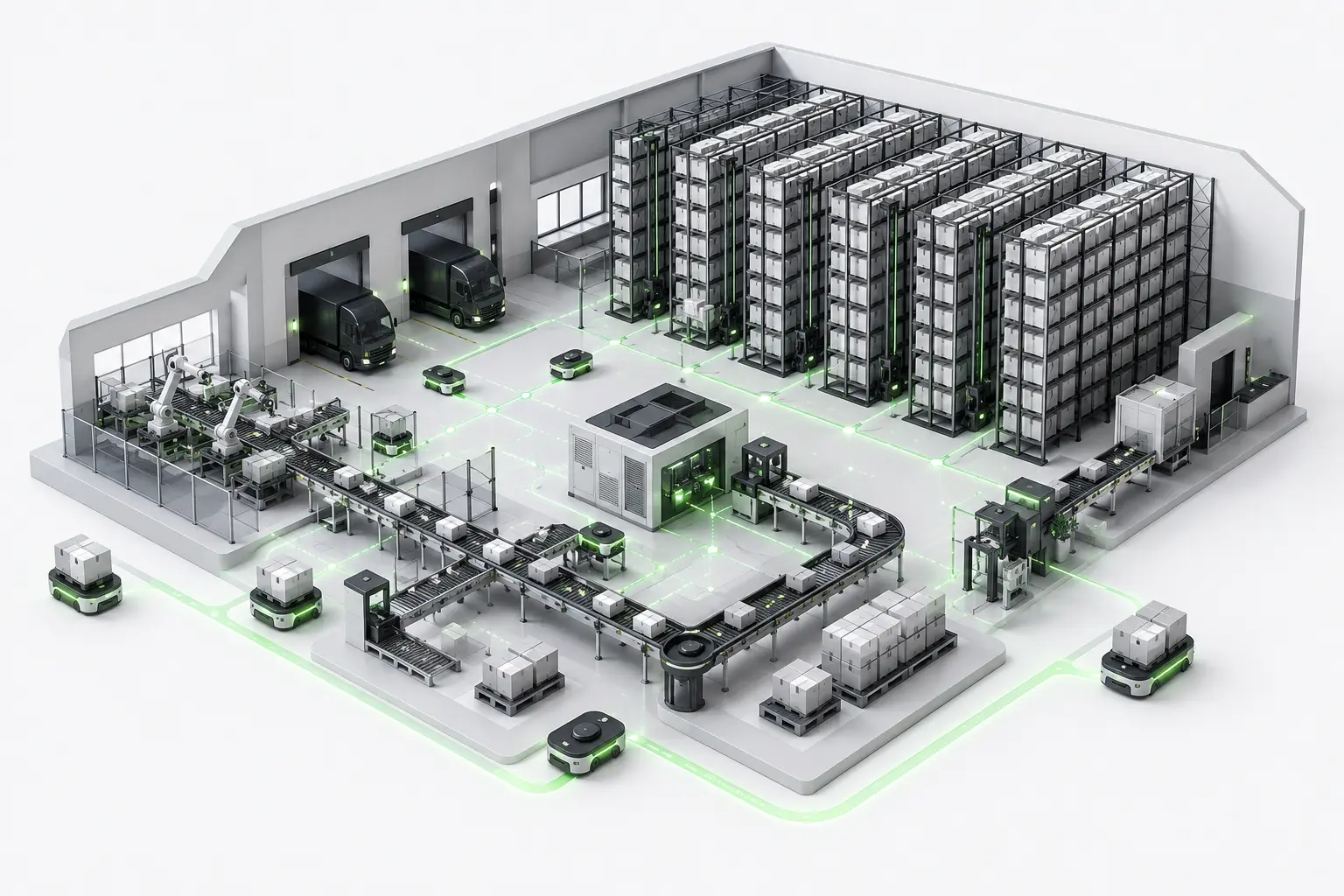
BENEFITS OF WAREHOUSE AUTOMATION
Nagłówek: Warehouse Automation That Delivers Measurable Results
Every warehouse and its operations require a tailored approach. That’s why we assess the benefits of automation based on your actual warehouse processes, operational scale and business objectives.
Higher Picking Productivity*
Shorter Processing Times
Greater Operational Efficiency
* Illustrative results from implementations and analyses reported by McKinsey. Actual outcomes depend on the specific processes, scale of operations and scope of automation.
Faq
Frequently Asked Questions
Find out how warehouse automation works, which solutions are available and what determines the cost and return on investment (ROI).
Warehouse automation involves using carefully selected equipment, robots and software to streamline material handling, storage, order picking and the flow of goods. A warehouse automation system may include autonomous mobile robots (AMRs), conveyor systems, automated storage and retrieval systems (AS/RS), picking stations and WMS and WCS software.
The scope of automation should be determined by a thorough assessment of warehouse operations, available space and the company’s business objectives.
Zakres automatyzacji powinien wynikać z analizy procesów magazynowych, dostępnej przestrzeni i celów biznesowych przedsiębiorstwa.
Yes. Warehouse automation does not necessarily require a complete overhaul of an existing facility. Small and medium-sized businesses (SMEs) can start by automating a single process, such as pallet transport, supplying components to production lines or order picking.
Modular solutions, such as autonomous mobile robots (AMRs), allow businesses to expand their automation systems as they grow while keeping the initial investment manageable. However, the return on investment (ROI) depends on several factors, including the volume of operations, process repeatability, labour costs and the potential for future scalability.
The cost of warehouse automation depends on the processes involved, the number of load units handled, required throughput, warehouse layout, level of integration and the equipment and software used.
There is no one-size-fits-all price for warehouse automation. An accurate cost estimate requires a thorough assessment of warehouse operations and the development of a tailored solution concept. However, automation can be implemented in stages, starting with the area that generates the highest costs or limits future business growth.
The first step is to analyse your existing material flow and identify processes that are particularly time-consuming, repetitive or prone to errors. Next, assess your required throughput, available space, integration requirements and anticipated warehouse growth.
Based on this assessment, you can develop a solution concept and select suitable technologies, such as autonomous mobile robots (AMRs), conveyor systems, automated storage systems or warehouse management software. Peak Porter takes a similar approach to consultancy, focusing on analysing warehouse operations and selecting technologies that deliver the highest possible efficiency.
Autonomous mobile robots (AMRs) are used to transport pallets, containers, components and other loads in warehouses and manufacturing facilities. They navigate autonomously, monitor their surroundings and can avoid obstacles without the need for fixed guide paths.
AMRs can be used to transport goods between warehouse zones, deliver materials to production lines, support order picking stations and move finished products. One of their key advantages is scalability: additional robots can be introduced as operational demand grows.
A Warehouse Management System (WMS) manages warehouse operations, including stock locations, inventory levels and order fulfilment. A Warehouse Control System (WCS), on the other hand, coordinates automated equipment such as robots, conveyors, sorters and stacker cranes.
In practice, the WMS determines which tasks need to be completed, while the WCS translates those tasks into instructions for individual machines. Integrating both systems connects warehouse management with the physical flow of goods. Peak Porter offers WMS/WCS integration as well as its own software solutions used in its warehouse automation systems.
Yes. In many cases, warehouse automation can be implemented in an existing, operational facility by upgrading selected processes, reorganising material flow and integrating new equipment with the existing infrastructure.
The scope of the modifications depends on the warehouse layout, building height, types of goods stored, existing IT systems and required throughput. Peak Porter also offers warehouse modernisation services, including upgrades and improvements to existing equipment and software.
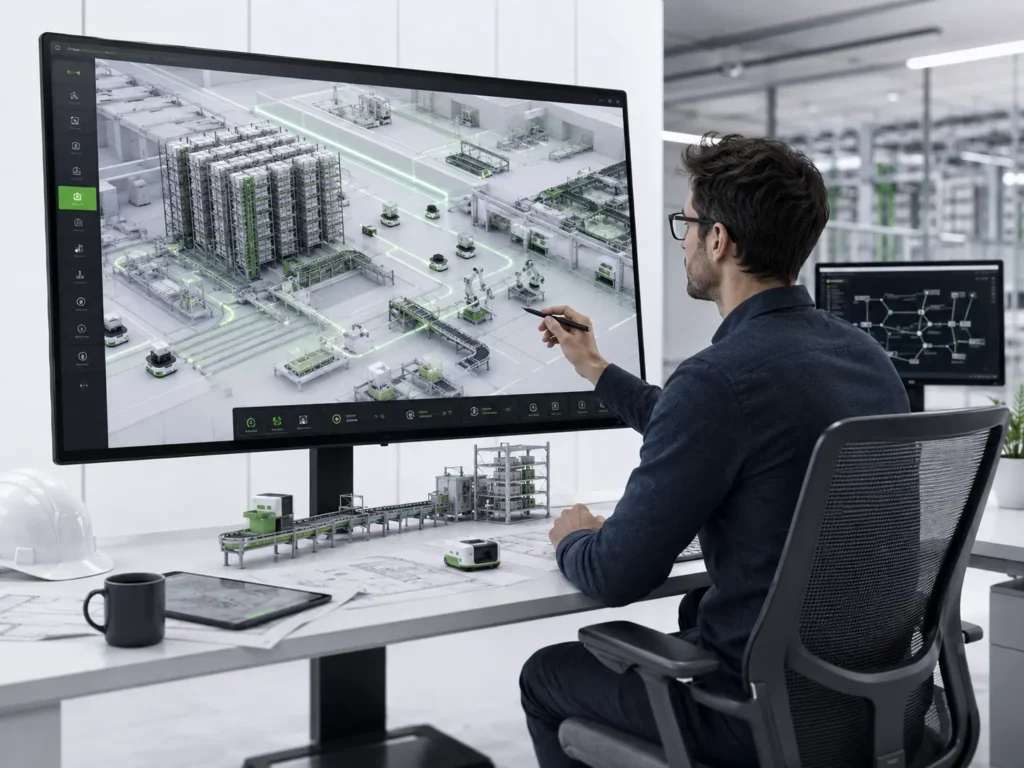
Let’s Explore Your Warehouse Automation Opportunities
We’ll assess your existing warehouse operations, recommend the most suitable automation solutions and develop a concept tailored to your business needs.